Professional Fence Installation: Enhance Your Property's Beauty With Expert Craftsmanship
Custom fence installation serves as a fundamental component in elevating both the decorative and structural aspects of a property. Featuring numerous materials and designs available, residents can achieve a personalized style that suits their environment. Professional craftsmanship proves critical in maintaining durability and style. As residents evaluate their options, they may start considering how to effectively plan their custom fence project for the greatest benefit.
Why Custom Fences Are Vital for Your Home
Custom fencing solutions are commonly acknowledged as important additions for residential properties. These structures fulfill several functions, improving safety, seclusion, and visual charm. Residents frequently recognize that a thoughtfully crafted fence is able to mark property lines, providing a clear delineation between their land and adjacent areas. Such definition not only cultivates a feeling of proprietorship but also promotes a feeling of safety, particularly in urban settings.
Additionally, custom fences can be tailored to match the architectural character of a home, harmonizing beautifully with the natural surroundings. Selections ranging from wood, vinyl, or metal can be selected based on personal taste and structural needs, delivering a broad selection to meet personal preferences. Furthermore, these fences can enhance real estate worth, making them a sound investment choice for homeowners. Overall, custom fences learn more add significantly to the functionality and beauty of residential spaces, making them an essential consideration in property enhancement projects.
Managing the Budget for Your Custom Fence Project
When planning a custom fence project, homeowners need to thoughtfully evaluate their budgets to confirm the final installation aligns with their vision without exceeding their finances. Setting a defined budget involves taking into account several key elements, including material expenses, labor fees, and supplementary elements, such as gates or decorative elements. Homeowners should obtain multiple quotes from contractors to compare pricing and services.
It's also crucial to consider potential unexpected expenses, such as permits or site preparation. By establishing a contingency budget—usually 10-15% of the full project budget—homeowners can cover unforeseen costs that may arise during the installation process.
Prioritizing needs versus wants can make budgeting more efficient, assuring that essential features are included while minimizing unnecessary expenditures. Through a thoughtful approach to budgeting, homeowners can guarantee a fulfilling and effective custom fence installation that enhances their property without undermining their financial well-being.
Selecting the Best Materials for Your Custom Fence
When selecting materials for a personalized fence, homeowners often face the decision between vinyl and wood options. Every material offers distinct advantages when it comes to durability and upkeep requirements. Understanding these differences can greatly influence the long-term effectiveness and longevity of the fence solution.
Comparing Wood and Vinyl Fencing
Selecting the right options for a fence can considerably impact both visual appeal and performance. Wood fencing is frequently preferred for its organic appeal and versatility, enabling various styles and coatings. It can seamlessly blend with landscaping and delivers a welcoming, cozy aesthetic. However, it may require routine maintenance to keep its beauty intact.
Conversely, vinyl fencing provides a contemporary appeal with a polished, cohesive style. It is available in countless hues and patterns, giving homeowners choices that match their tastes. Vinyl stands up against pests and decay, rendering it an easy-care option. Ultimately, the decision between timber and vinyl fencing solutions is guided by homeowner preferences, visual goals, and long-term property aspirations.
Longevity and Upkeep Considerations
Evaluating durability and maintenance factors is crucial for identifying the right choices for a custom fence. A range of materials present notable strengths regarding durability and maintenance. For example, metal fences, such as wrought iron or aluminum, deliver remarkable resilience and demand little upkeep, withstanding rust and weathering. On the other hand, timber fences, while aesthetically pleasing, demand regular treatments to guard against decay and pest damage, affecting overall longevity. Vinyl fencing excels in minimal upkeep requirements, holding up against fading and bending but may be less resilient in extreme conditions. At the end of the day, the selection of fencing material should correspond to the property owner's aesthetic preferences, climate considerations, and willingness to invest time in maintenance, ensuring that the fence remains functional and visually appealing over the years.
Crafting a Fence That Matches Your Landscape
Designing a fence that enhances a landscape demands careful consideration of structural elements and the use of environmentally friendly materials. A well-matched fence not only accentuates the existing structures but also blends into the surrounding environment. Identifying materials that complement the landscape can produce a cohesive and inviting outdoor space.
Aligning Architectural Aesthetics
In what ways can homeowners achieve a harmonious connection between their fences and the surrounding architecture? By thoughtfully evaluating the style and materials of their home, they can choose a fence that elevates the overall aesthetic. For instance, a modern home may benefit from sleek, minimalist designs, while a traditional residence could be complemented by classic picket or wrought iron fences.
Additionally, color choices should be harmonious; matching the fence color to the home's trim creates a cohesive look. Homeowners should also consider height and scale, making sure the fence does not dominate the property or appear mismatched. Ultimately, a thoughtfully designed fence can enhance curb appeal and create a cohesive, inviting atmosphere that reflects the homeowner's unique style.
Choosing Natural Materials
When picking out a fence, homeowners frequently discover that choosing organic materials can greatly strengthen the connection between the fence and the surrounding scenery. Stone, wood, and bamboo are favored choices that not only offer long-lasting strength but also blend seamlessly with diverse surroundings. For instance, cedar or redwood fences can evoke a warm, rustic feel, while stone walls offer a more timeless, elegant aesthetic. Additionally, choosing materials from local sources can create a sense of place, anchoring the home within its natural surroundings. Homeowners should evaluate the upkeep demands of these materials, as well as their durability against weather conditions and pests. Ultimately, the right choice of natural materials can improve both the fence's utility and its overall appearance, producing a unified and attractive outdoor setting.
How Professional Craftsmanship Creates an Impact
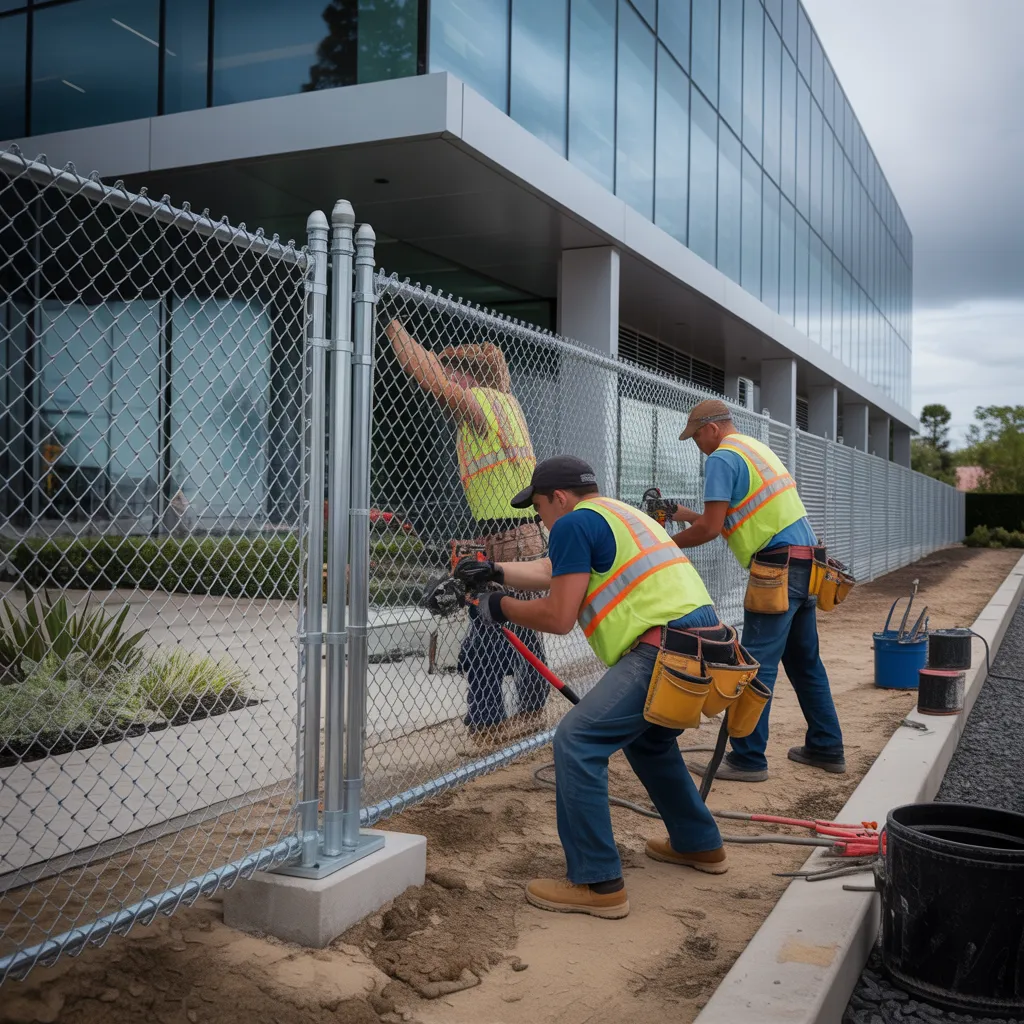
Expert skill in fence installation significantly influences both the aesthetic appeal and physical stability of a property. Expert technicians possess the expertise to select the appropriate materials and techniques customized for unique climate conditions. This knowledge guarantees that fences not only elevate a property's visual appeal but also endure for years to come.
Careful attention in the installation process is essential in producing a seamless appearance. Precision in measurements and alignment eliminates issues such as shifting or bowing, which can compromise a house's visual appeal. Furthermore, skilled installation often includes following local codes and safety guidelines, minimizing potential risks for residents.
Investing in professional setup also means employing cutting-edge tools and techniques that are often unavailable to homeowners doing it themselves. This comprehensive method produces a long-lasting fence that boosts property value while reflecting the homeowner's aesthetic preferences. In the end, expert workmanship ensures that a fence performs its role efficiently and aesthetically.
Maintenance Tips for Long-Lasting Fencing Solutions
Consistent maintenance is critical to ensuring the longevity and durability of all fence types, irrespective of the expertise used during installation. Regular inspections are essential; property owners ought to look for indicators of wear, decay, or corrosion a minimum of two times annually. With timber fences, coating them with a protective finish every several years can shield against moisture and increase longevity. Iron and steel fences need regular cleaning to eliminate buildup and corrosion, typically with a wire brush or anti-rust coating.
In addition, trimming back vegetation that contacts the fence decreases the risk of mold and insect infestations. Providing proper drainage around the fence line prevents water accumulation, which can undermine the foundation. To conclude, addressing any issues in a timely manner can save time and money in the long run. By implementing these preservation strategies, property owners can enjoy a visually appealing and durable fence for a long time, elevating their property's aesthetic appeal.

Questions We Are Often Asked
What Is the Typical Duration of a Custom Fence Installation?
A custom fence installation typically takes one to two weeks, with the timeline influenced by project scope, material selection, and prevailing weather conditions. Additional time may be needed for permitting and site preparation before work can commence.
Do I Need a Permit for Installing a Custom Fence?
Generally, a permit is necessary for the installation of a custom fence, based on local regulations. Homeowners are encouraged to consult with their local authorities to verify compliance with zoning laws and property guidelines.
Which Styles of Custom Fences Are the Most Popular?
Well-known types of tailored fencing encompass picket, privacy, ornamental, and ranch. Each design delivers distinctive functionality and aesthetics, catering to varied tastes while enhancing the value of your property and delivering safety for both residential and commercial properties.
Can I Install a Custom Fence in Winter?
Absolutely, a personalized fence is able to be installed in winter. That said, cold temperatures might influence installation techniques and materials, so it is essential to seek professional advice for the most effective outcomes and ensure correct handling during unfavorable weather conditions.
How Do I Choose the Right Contractor for Installation?
To identify the best professional for installation, it is important to research credentials, read reviews, obtain multiple quotes, and assess expertise. Open communication and a detailed contract are critical to ensure high-quality workmanship and satisfaction with the work.